How Long Does a Water Test Last in Mesquite?
A water test has three clocks running: the time it takes to run, the time a sample stays good and the time the results still describe your tap.
How long does a water test last?
A basic in-home screen takes minutes, and a lab panel usually comes back in several days to a couple of weeks. The results describe your water on the day it was drawn and stay useful until something changes: plumbing work, new equipment or a change in taste or smell. For wells, retest yearly. Talk it over at (972) 853-4977.
How long does the test itself take?
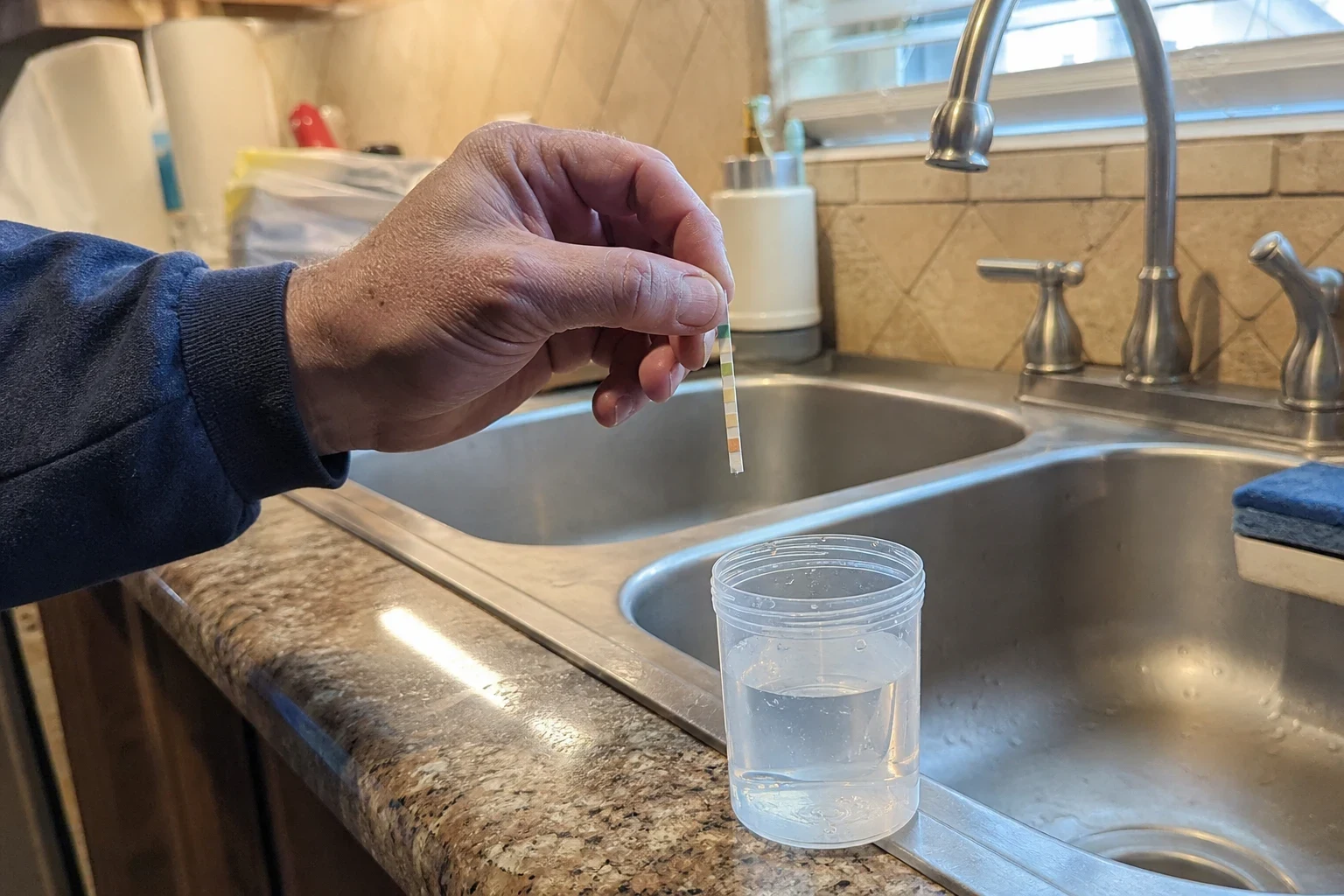
It depends on what you are measuring. An in-home screen for hardness, free chlorine, pH and total dissolved solids (TDS) uses reagent drops, test strips and a handheld TDS meter, and each reading takes a minute or two. We can usually finish a full screen at your kitchen sink in well under an hour, including the time to explain what each number means.
Some questions can't be answered at the sink. Lead, copper, bacteria, nitrate and most trace metals need a laboratory, because the instruments that measure parts per billion, such as ICP mass spectrometry for metals, are not portable. Lab turnaround is typically several days to a couple of weeks, depending on the panel and how many samples the lab has in its queue.
- Hardness, chlorine, pH, TDS: minutes, on site
- Iron and manganese: minutes for a screen, lab for a precise figure
- Lead and copper: lab only, usually days
- Coliform bacteria: lab only, with an incubation period of a day or more
How long does a water sample stay good before it's tested?
Not long for some tests, and that is where many home samples go wrong. A bacteria sample has to reach the lab within about a day, kept cold, or the count is no longer trustworthy. Bacteria keep growing or dying in the bottle, so an old sample tells you about the bottle, not your water. In a Mesquite summer, a sample left in a hot car for an afternoon is already compromised.
Metals hold longer because labs supply bottles with a small amount of acid preservative that keeps lead and iron dissolved instead of clinging to the plastic. Lead also needs a first-draw sample: water that has sat still in your pipes for at least six hours, usually collected first thing in the morning before anyone runs a faucet. That timing is what shows how much the plumbing itself is adding.
How long do water test results stay accurate?
A test is a snapshot. It is accurate for the water that came out of that tap on that day, and it stays a fair picture of your home as long as the conditions behind it hold steady. City water is treated and monitored by the utility, so its baseline tends to be stable from month to month. What changes more often is everything between the meter and your glass.
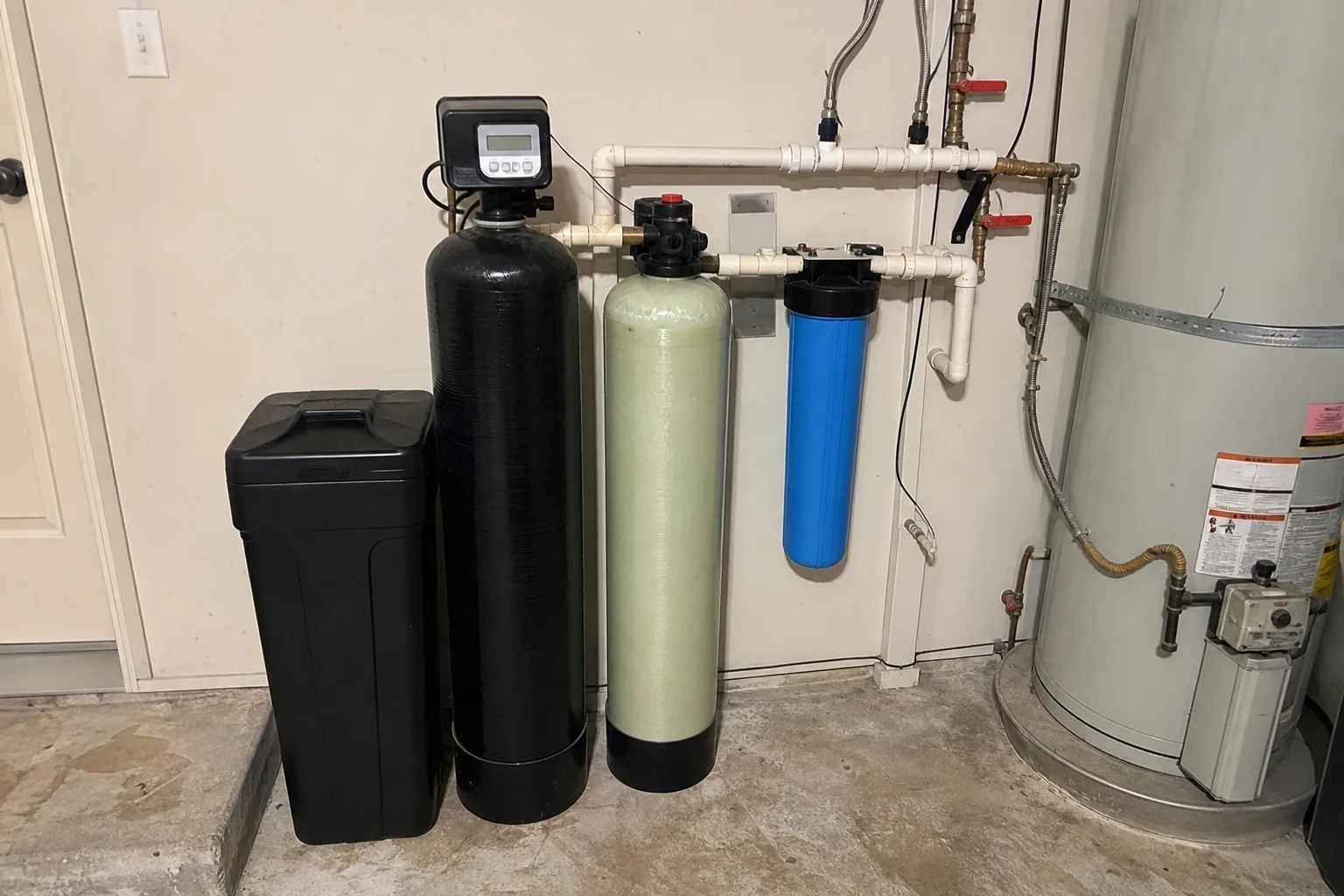
Pipes, fittings, the water heater and any treatment equipment all affect what you drink. A new water heater can change odor and metal readings. Replacing a section of old galvanized line changes iron and lead risk. A carbon filter that has reached the end of its rated capacity stops removing chlorine, so a chlorine reading taken before that point no longer reflects your water. When any of these change, the old numbers are history rather than a current reading.
When should you test your water again?
There is no single expiration date, but these are the points where a fresh test earns its keep. Private well owners in the rural edges around the city have the most reason to test on a schedule, since no utility is checking that water for them.
- Every year for a private well, for bacteria and nitrate at minimum, and after heavy flooding or well repairs
- Before you buy a softener, filter or reverse osmosis system, so the equipment matches what is actually in your water
- A few weeks after installation, to confirm the system is doing its job
- After plumbing work, a water heater replacement or a repipe
- Any time taste, smell, color or staining changes
- When a baby is on the way or someone in your home has a health condition that makes lead or bacteria a bigger concern
Do home test kits and strips expire?
Yes. Test strips and reagent drops carry an expiration date, and the chemistry on the pad degrades with heat, humidity and light. A bottle of strips opened and kept in a steamy bathroom cabinet can read low or high well before the printed date. Keep them sealed, dry and at room temperature, and toss them once they expire.
Even fresh, a strip is a screening tool. It is fine for spotting hard water or checking whether chlorine is getting through a filter. It cannot measure lead at the levels that matter or tell you whether bacteria are present, so a clean strip result is not a clean bill of health. We are happy to look over a home kit result with you and tell you plainly whether a lab test is worth it.
More questions about water testing
- Can a water test tell me when to change my filters?
- It can. A chlorine reading after a carbon filter, or a TDS reading after a reverse osmosis membrane, shows whether the cartridge is still working. Rising numbers mean the media is spent, often before the calendar says so.
- Do I need to be home for a water test?
- For an in-home screen, yes, since we draw water from your taps and go over the results with you. For a lab sample, someone has to collect it at the right time, and we can walk you through the steps so the sample holds up.
- Should I test water when buying a house?
- It is a good idea, especially in an older home or one on a well. Plumbing age, past treatment equipment and the well itself can all affect what comes out of the tap, and a test gives you a baseline before you move in.
- Will one test cover everything?
- No single test covers every contaminant. We pick the panel based on your plumbing, your water source and what you are noticing, so you are not paying for tests that do not apply to your home.
Find out what your water needs
Tell us what you are noticing and what your home's plumbing looks like. We will explain which tests make sense, what each one can and cannot show, and how soon you would have answers.