ServicesWhole-house carbon filtration
Whole-House Carbon Filtration in Mesquite
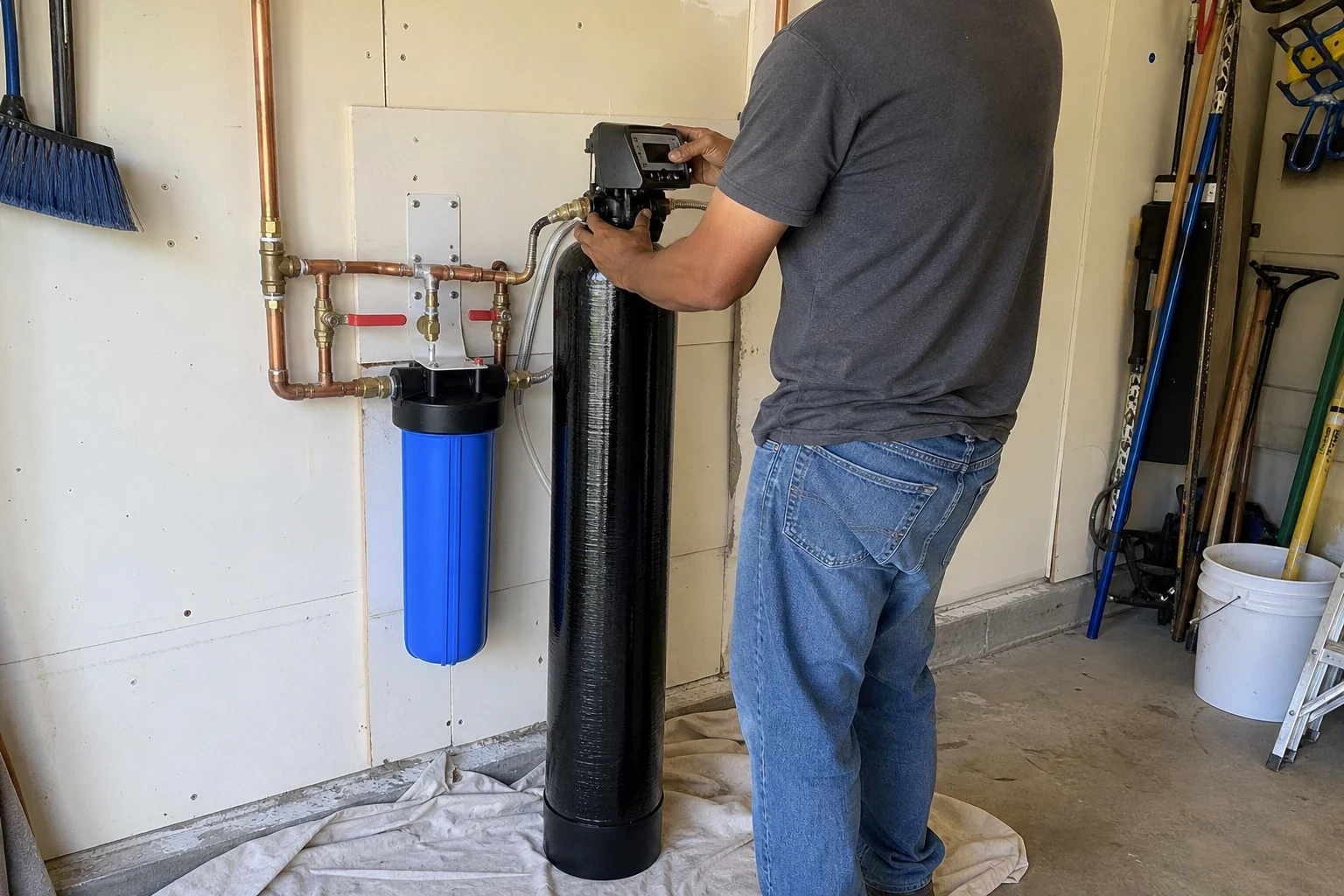
We install a carbon system where the main line enters your home, so chlorine or chloramine is filtered out before water reaches the kitchen, showers or water heater. We size it to your flow, match the media to your disinfectant and explain every part before we cut a pipe.
How Carbon Clears Chlorine From Every Tap
Utilities add a disinfectant to keep water safe during its long trip through the distribution pipes. Free chlorine or chloramine, whichever your supply carries, is the smell that rises in a hot shower and the flat taste in coffee or ice. Activated carbon pulls it out by adsorption: the disinfectant reacts on the surface of each carbon granule and never reaches your faucet. Carbon also reduces many organic compounds behind off tastes.
The match matters. Standard granular activated carbon handles free chlorine well but works slowly on chloramine. For chloramine we use catalytic carbon, which has a modified surface that breaks the chlorine-ammonia bond far faster. We check which one your water carries before recommending a tank, so you are not paying for media that is wrong for the job.
Carbon does not soften water or remove dissolved minerals. If scale or staining is your real complaint, we will say so and point you to water testing first, rather than sell you a system that cannot fix it.
What the Installation Includes
- Disinfectant check
- We test a tap sample for free chlorine and total chlorine. The gap between the two tells us whether chloramine is present and which carbon to use.
- Sediment prefilter
- A cartridge housing ahead of the carbon tank catches sand, pipe scale and grit. That keeps the carbon bed from clogging and stretches its working life.
- Carbon tank sized to your flow
- We size the tank by your peak demand in gallons per minute, counting bathrooms and fixtures that run at once. A tank that is too small lets water pass before the carbon has time to work and drops your pressure.
- Bypass valve
- Every system gets a three-valve or built-in bypass. You can keep water running to the house while media or cartridges are changed.
- Clean connections and a full flush
- We tie into copper, PEX or CPVC with proper fittings, then flush the new tank until the carbon fines run clear. Fines are the harmless black dust in new carbon, and they should never reach your faucets.
- Cleanup and a walkthrough
- We lay drop cloths, haul away packaging and cut pipe, and show you the bypass, the prefilter and how to tell when service is due.
Signs Your Home Could Use Carbon Filtration
Pool smell in the shower
Hot water releases chlorine as vapor, so the odor is strongest in an enclosed bathroom. A point-of-use filter at one sink cannot reach it.
Coffee, tea or ice tastes off
Disinfectant flavors carry into anything made with tap water, including the ice from a refrigerator line.
You change pitcher filters constantly
If the household goes through pitcher or faucet cartridges fast, one system on the main line may make more sense than treating water a quart at a time.
Rubber parts wear out early
Chloramine is known to break down some rubber, so toilet flappers and fixture washers that soften and leak can point to it.
Odor at every tap, not just one
When the smell is the same throughout the house, the cause is the supply water, and a whole-house solution fits the problem.
How the Job Runs
- 1
A phone conversation first
We ask about the taste or odor you notice, how many people live in your home, the number of bathrooms and where the main line comes in. Often we can tell you on that call whether carbon is the right fit.
- 2
On-site check
We test for free and total chlorine, measure static water pressure and look at the pipe material and space at the entry point. In many slab-built homes around Mesquite the main enters near the garage or an exterior wall, which affects routing.
- 3
Written quote
You get a line-item quote that names the tank size, media type, prefilter and fittings. Nothing is installed until you agree to it.
- 4
Install day
With the main valve closed, we fit the bypass and the filter housings, set the tank in place and open the water back up. Plan on being without water for part of the day, not all of it.
- 5
Flush and handoff
We flush the carbon, retest the treated water for chlorine and walk you through the bypass and the service schedule.
Where Your Quote Comes From
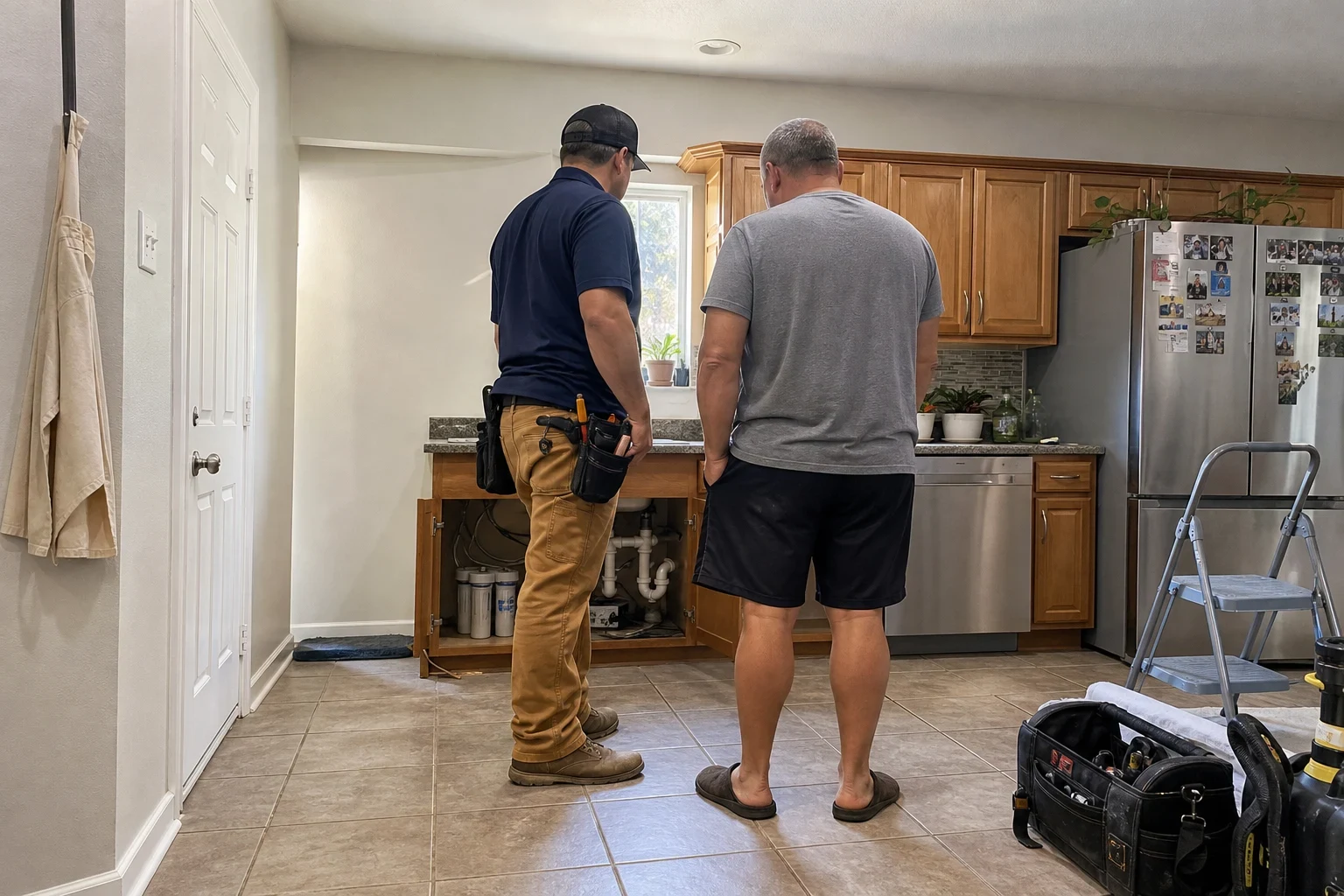
Neighbors on the same block can end up with quite different systems. Price depends on the carbon your disinfectant calls for, your peak water use and the plumbing at the tie-in point. Every line on our quote is explained, so you know what each part is for.
- Standard or catalytic carbon
- Chloramine calls for catalytic carbon, which costs more per cubic foot than standard granular carbon but is the only practical way to remove it at whole-house flow rates.
- Tank size and flow
- More bathrooms and larger households need a larger carbon bed to hold contact time and pressure. Undersizing saves money upfront and costs you in performance.
- Tank or cartridge design
- Large cartridge housings cost less to start but need more frequent changes. A media tank holds far more carbon and runs longer between services.
- Access and pipe work
- A main line in an open garage is a quicker tie-in than one behind finished walls or in a tight closet. Galvanized pipe at the entry may need replacing before we connect.
Common Questions About Carbon on the Main Line
Something not covered here? (972) 853-4977
Will water pressure drop if every tap is filtered?
A properly sized tank causes only a small drop that most households never notice. When flow does feel weaker, the cause is usually a carbon bed too small for how many fixtures run together, or a sediment cartridge clogged with grit and past due for replacement. We read your pressure before and after the install so you can compare the numbers.
Is under-sink reverse osmosis still worth adding?
For taste and smell, no; the carbon takes care of that throughout the house. Reverse osmosis also cuts dissolved solids, so it makes sense if you want more protection for drinking water, such as in an older home where lead from the plumbing is a concern. Some of our customers have both, and we will tell you plainly if one is enough.
When does the carbon need replacing?
Carbon wears out by the number of gallons it treats, which depends on how much water you use and how much disinfectant it carries. Catalytic carbon treating chloramine wears at a different rate than standard carbon treating chlorine. We base your schedule on real usage, and our filter replacement and maintenance visits keep both the prefilter and the media current.
Will carbon take care of hard water or iron?
It will not. Carbon neither softens water nor removes dissolved iron. If you are seeing scale or orange stains, start with water testing, and we will suggest iron and sediment filtration or a water softener only when the results call for it.
Is dechlorinated water safe to drink?
Yes, with normal everyday use. The disinfectant comes out only once the water is inside your home, and the water in your lines is replaced constantly. We do suggest not letting filtered water stand for long stretches, like in a guest bathroom nobody uses, and we go over that in the walkthrough.
Find Out Which Carbon Fits Your Water
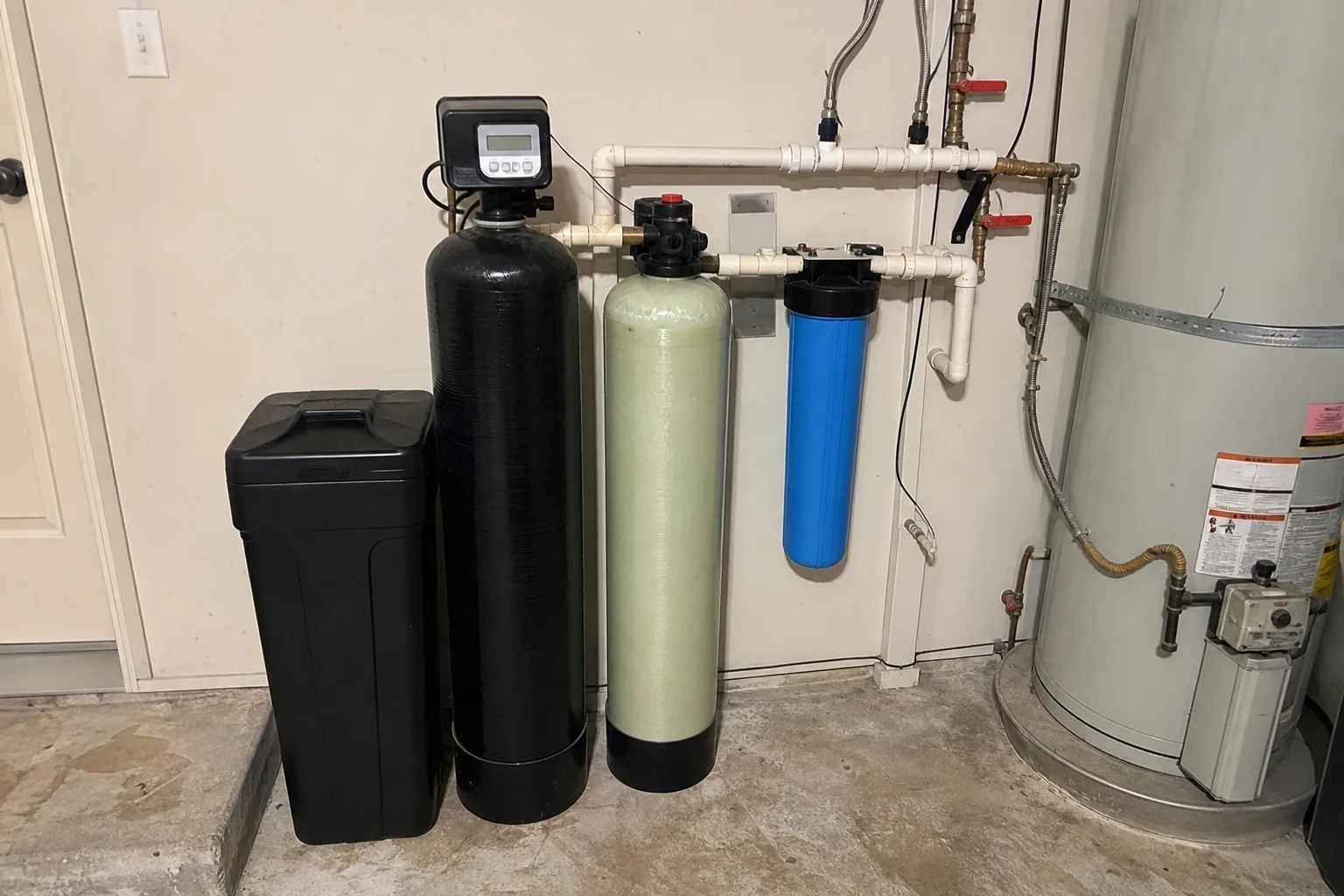
Tell us what you smell and taste, and we will explain whether standard or catalytic carbon makes sense for your home. If carbon is not the answer, you will hear that from us too.